
Is Your AC Making Strange Noises? A Homeowner's Guide to Troubleshooting
That first wave of real Georgia heat has arrived, the kind that calls for a tall glass of sweet tea on the porch. But when you retreat inside, instead of a cool blast of relief, you’re met with a worrying sound—a clank, a buzz, or a hiss coming from your air conditioner. Or maybe it’s just not cooling like it used to. When your home’s comfort is on the line, strange AC issues can be stressful. As your local HVAC experts in the Cumming area, we at Town Creek Heating & Cooling know that some problems have simple solutions, while others require a professional touch. This guide will help you understand what your AC might be trying to tell you and what steps you can take.
Decoding the Sounds: What Your AC is Telling You
An air conditioner should operate with a consistent, low hum. When new, unusual noises pop up, they're often early warning signs of a developing problem. Ignoring them can lead to more significant and costly damage down the road. Here are some of the most common sounds and their likely causes:
-
Loud Banging or Clanking: This is one of the most alarming sounds. A loud banging noise often indicates a loose or broken part inside the compressor or a disconnected fan blade hitting its housing. This is a serious issue. Turn off your system immediately at the thermostat and the circuit breaker to prevent further damage and call for professional HVAC repairs.
-
Hissing or Bubbling: If you hear a sound like air leaking from a tire or bubbling, you likely have a refrigerant leak. Refrigerant is essential for the cooling process, and a leak not only stops your AC from cooling effectively but can also be harmful to the environment. This isn't a DIY fix; it requires a certified technician to locate the leak, repair it, and recharge the system according to EPA regulations.
-
Buzzing or Humming: A loud, persistent buzzing can point to an electrical problem. This could be anything from a failing contactor relay to issues with the capacitor or the compressor motor itself. Because these components carry high voltage, it's crucial to leave these repairs to a trained professional to avoid the risk of electric shock.
-
Squealing or Screeching: A high-pitched squeal often signals a problem with the blower motor or the outdoor fan motor bearings. Much like a belt in a car engine, these parts can wear out over time. While the system might still run, the noise is a clear sign that a component is failing and needs to be addressed before it seizes up completely.
Performance Problems: Why Isn't My AC Cooling?
Sometimes, the problem isn't a noise but a noticeable drop in performance. If your AC unit is not cooling your house effectively, it’s not just uncomfortable—it’s also inefficient and driving up your energy bills. Here are a few common culprits:
1. The Thermostat is Set Incorrectly: It sounds simple, but it happens! Before you panic, double-check that your thermostat is set to “Cool” and the temperature is set lower than the current room temperature. Also, check if the batteries need replacing.
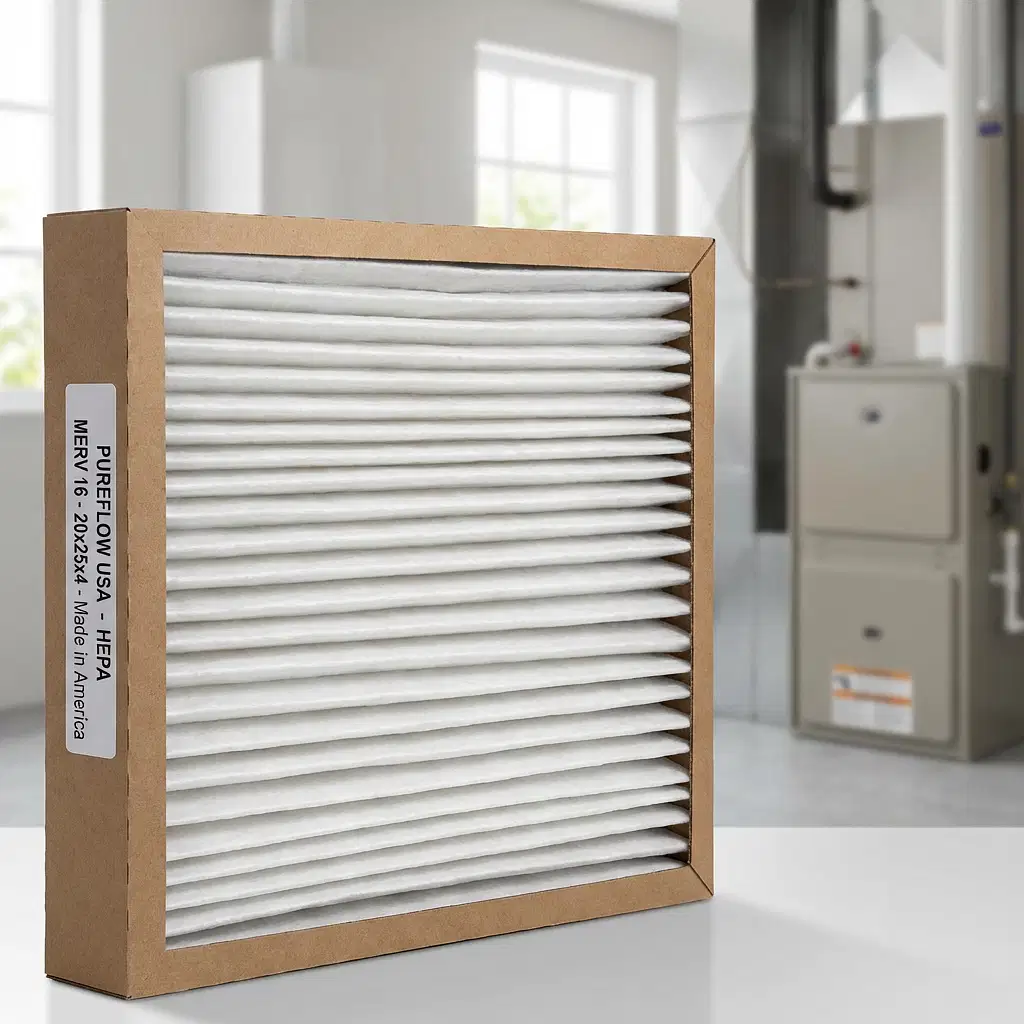
2. The Air Filter is Clogged: This is the single most common cause of AC performance issues. A dirty filter restricts airflow, forcing your system to work much harder to cool your home. This can lead to reduced cooling, frozen evaporator coils, and even system failure. During Georgia's heavy pollen season, you should check your filter every 30 days and replace it when it's dirty.
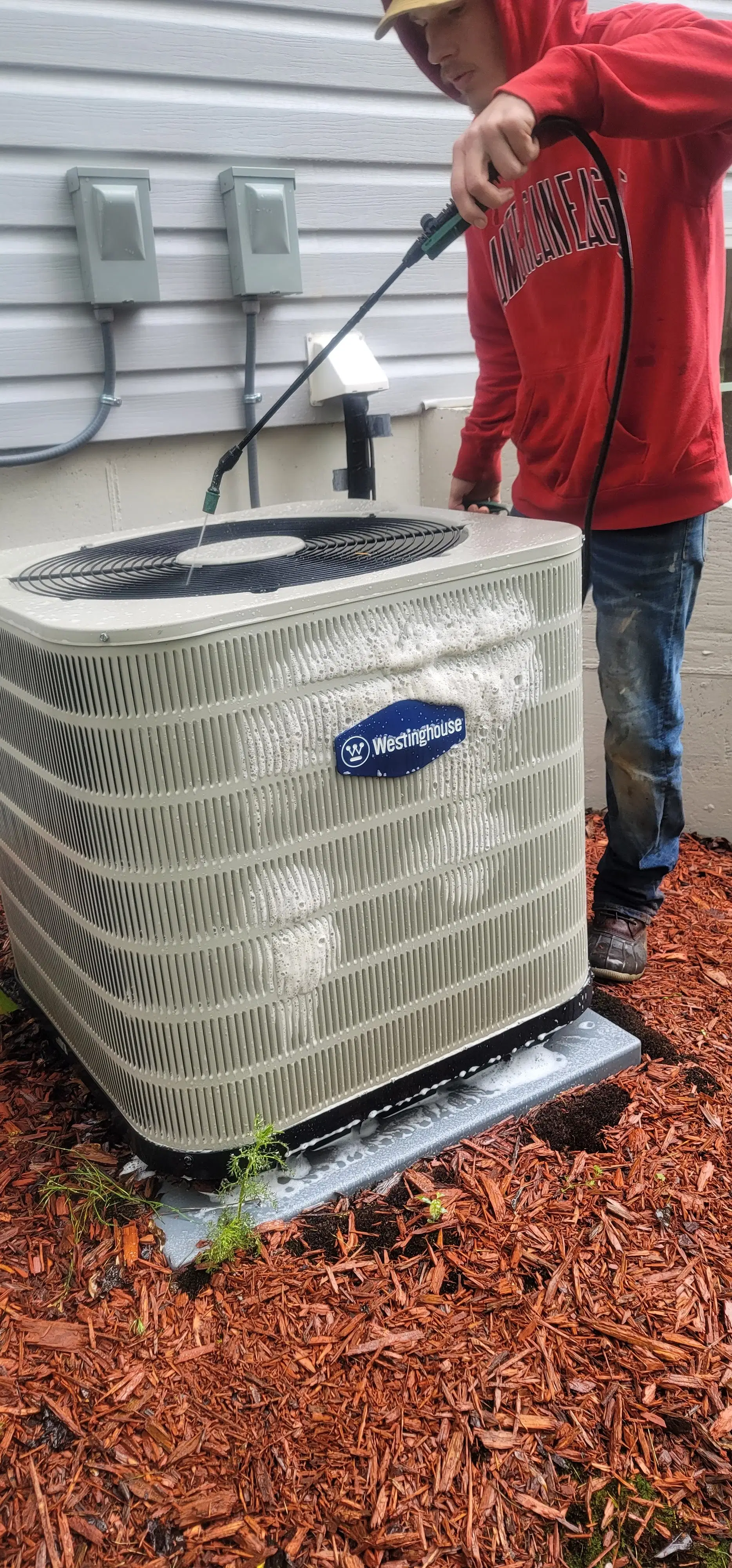
3. The Outdoor Unit is Dirty or Obstructed: Your outdoor condenser unit needs to breathe. Go outside and check for any leaves, grass clippings, or debris piled up against the unit. A gentle rinse with a garden hose (with the power off) can often improve its performance. Ensure there's at least two feet of clear space around the entire unit.
4. The System is Low on Refrigerant: As mentioned with hissing noises, low refrigerant means your system has a leak. It won't be able to effectively absorb heat from inside your home, resulting in warm air blowing from the vents. This requires a professional diagnosis and repair.
When to DIY and When to Call the Pros
Knowing which tasks you can handle and which require professional expertise is key to maintaining your system safely and effectively.
DIY-Friendly Tasks:
- Regularly changing your air filter.
- Checking and replacing thermostat batteries.
- Clearing debris and plants from around your outdoor unit.
- Checking your circuit breaker to see if it has tripped.
When to Call Town Creek Heating & Cooling: For almost everything else, it's best to rely on a certified technician. You should always call a professional for:
- Any suspected electrical issues (buzzing, humming).
- Refrigerant leaks (hissing sounds, poor cooling).
- Internal mechanical problems (banging, clanking, squealing).
- If your system won't turn on after you've checked the basics.
Attempting complex repairs without the proper training and tools can be dangerous and often leads to more expensive problems. Our team has the expertise to diagnose issues accurately and provide lasting solutions for all your heating and cooling needs.
Your Partner for Home Comfort
Your air conditioner is a complex piece of machinery, and it works hard to combat that intense Georgia heat and humidity. While some performance issues can be resolved with simple maintenance, others are clear signals that it's time to call for backup. By understanding what these sounds and symptoms mean, you can take swift action to protect your investment and keep your home comfortable.
If you're experiencing any of these issues, or if your system just isn't keeping you cool, don't hesitate to reach out. The expert team at Town Creek Heating & Cooling is here to provide reliable residential and light commercial service and installation throughout the Cumming area. Contact us today to schedule a service call and restore peace and comfort to your home.