
Your Guide to Big HVAC Changes: What the R-410A Phase-Out & New SEER2 Standards Mean for You
When that classic Georgia sweet tea weather arrives, the last thing any of us want to worry about is our air conditioner. We depend on our HVAC systems for reliable comfort year-round. But you may have heard whispers about big changes happening in the heating and cooling industry. New regulations, new efficiency standards, and new types of refrigerant can sound complicated, but don't worry. As your local HVAC experts in the Cumming area, we're here to break it all down for you.
These changes are actually great news for homeowners. They’re designed to make your home more energy-efficient and environmentally friendly, saving you money in the long run. In this guide, we'll explain the two biggest updates—the R-410A refrigerant phase-out and the new SEER2 efficiency standards—and what they mean for your next HVAC decision.
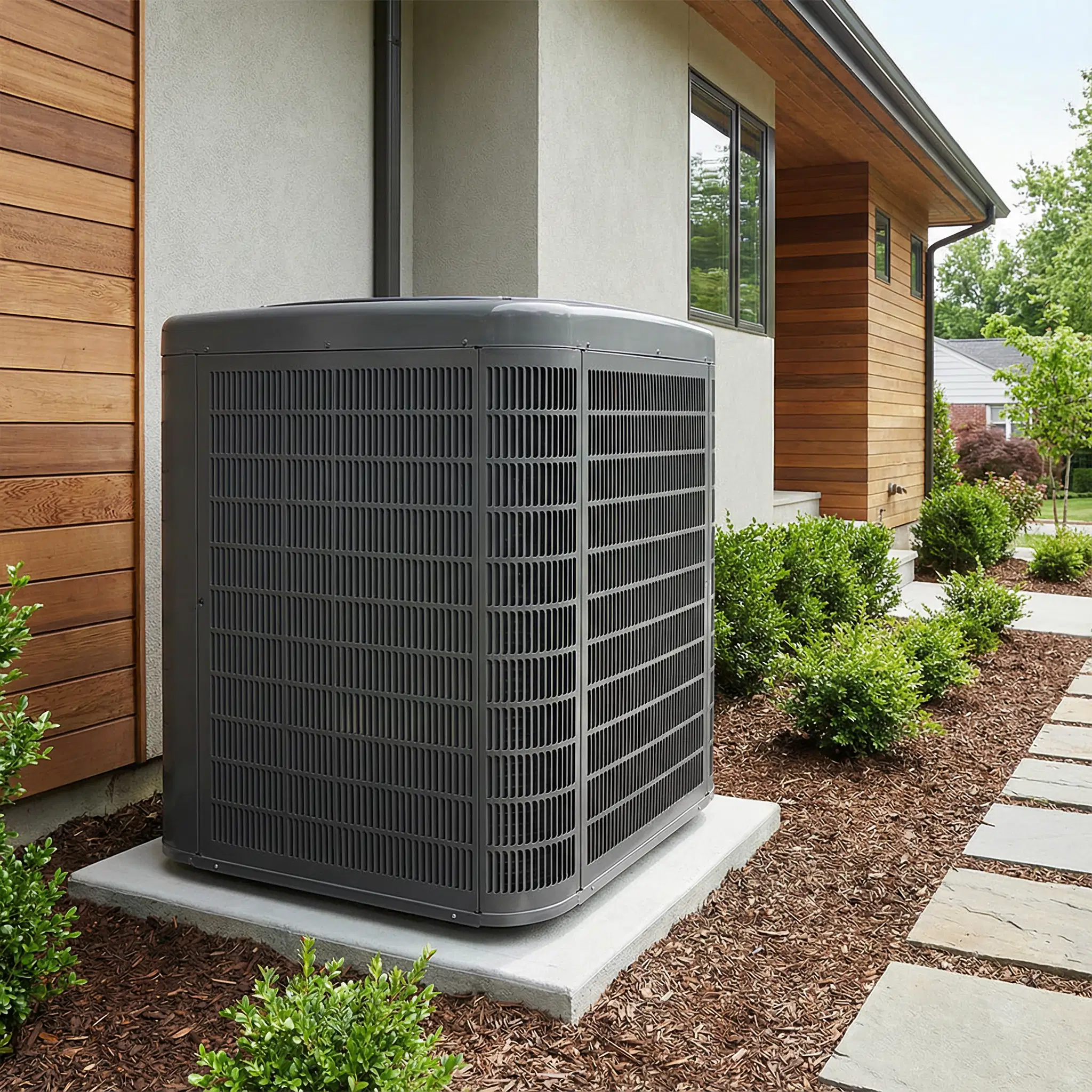
What is the R-410A Refrigerant Phase-Out?
For many years, the standard refrigerant used in most residential air conditioners has been R-410A. It's the substance that circulates through your system's coils to absorb heat from inside your home and release it outside. While effective, R-410A has a high Global Warming Potential (GWP), meaning it can be harmful to the environment if released into the atmosphere.
Under the American Innovation and Manufacturing (AIM) Act, the U.S. is phasing down the production and use of high-GWP refrigerants like R-410A. This means a few things for homeowners:
- You don't need to replace your current R-410A system immediately. If your unit is running well, you can continue to use it.
- Repairs may become more expensive over time. As R-410A becomes less available, its cost will rise significantly. If your existing system develops a major refrigerant leak in the future, recharging it could become very costly.
- New systems will use new refrigerants. The industry is shifting to more eco-friendly alternatives, such as R-32 and R-454B, which have a much lower GWP.
Essentially, this change is about future-proofing your home. While your current system is fine for now, planning for an eventual HVAC replacement with a new, compliant system is a smart long-term strategy.
Understanding SEER2: A New Standard for Real-World Efficiency
You've probably seen the yellow EnergyGuide label on appliances with a SEER (Seasonal Energy Efficiency Ratio) rating. For years, SEER has been the benchmark for AC efficiency. Now, there's a new, more accurate standard: SEER2.
The Department of Energy updated the testing procedures to better reflect the real-world conditions your HVAC system faces. The new SEER2 testing accounts for the impact of your home's ductwork on the system's performance, providing a more realistic measure of energy efficiency.
What does this mean for you? A higher SEER2 rating means greater efficiency. Here in Georgia, where we battle that famous Lake Lanier humidity, a more efficient system doesn't just lower your monthly power bill—it does a better job of removing moisture from the air, making your home feel much more comfortable. Investing in a system that meets the latest SEER2 standards is one of the best ways to ensure you're getting maximum comfort for the lowest possible operating cost.

How These Changes Affect Your Next HVAC Decision
So, how do these two major shifts—the refrigerant phase-out and SEER2 standards—come together? They are directly linked. New HVAC systems manufactured in 2023 and beyond are designed to use the new, lower-GWP refrigerants and are built to meet the higher SEER2 efficiency requirements.
This is where it becomes important for y'all as homeowners:
- If your current system is over 10-12 years old: It might be using R-410A. If it starts needing frequent or expensive repairs, the rising cost of the old refrigerant makes a full system upgrade a much more financially sound decision. A new HVAC installation will not only be more reliable but will also start saving you money on energy bills immediately.
- If you're planning an upgrade or building a new home: You'll be choosing from these new, highly efficient systems. This is a fantastic opportunity to invest in superior comfort and long-term savings. Plus, many of these high-efficiency systems qualify for federal tax credits and local utility rebates, which can help offset the initial investment.
We understand that purchasing a new HVAC system is a significant decision. Our goal is to provide you with clear, honest information so you can choose the best solution for your family's comfort and budget. We'll walk you through the options, explain the long-term benefits, and ensure you have a system that's ready for many years of reliable service.
Your Trusted Partner for Modern HVAC Solutions
The world of HVAC technology is always advancing, and these latest changes are a positive step toward a more energy-efficient and sustainable future. You don't have to navigate these updates alone. The team at Town Creek Heating & Cooling is fully trained on the latest refrigerants, SEER2 standards, and high-efficiency equipment.
If you have questions about your current system or are considering an upgrade, we're here to help. We provide expert residential and light commercial service and installation throughout Cumming and the surrounding communities. Contact us today for a no-pressure consultation and let us help you find the perfect comfort solution for your home.