Your Business's Unsung Hero: A Guide to Rooftop HVAC Units
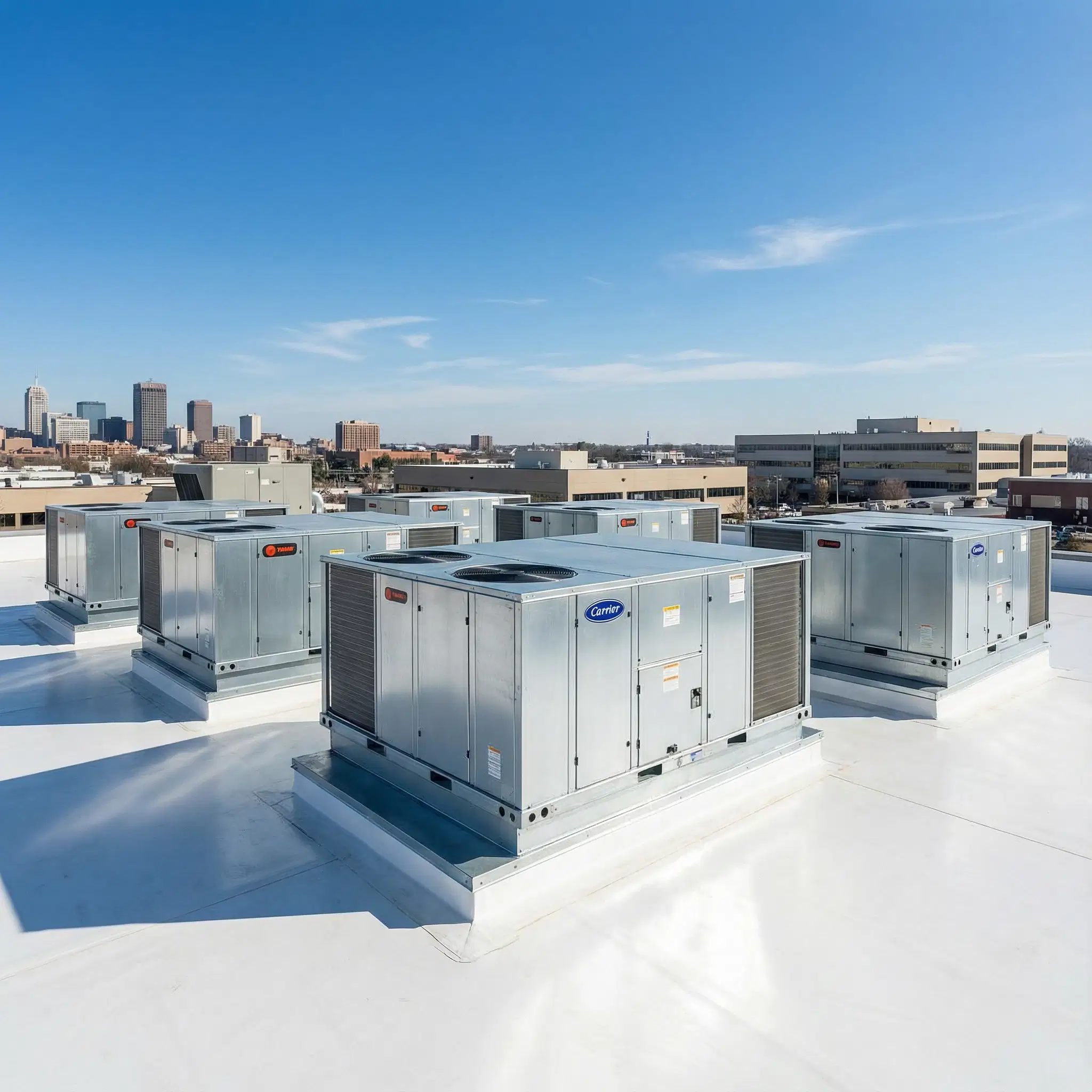
As a business owner in the Cumming area, you juggle a dozen tasks every day. From managing inventory to ensuring your customers are happy, your to-do list is endless. The last thing you need is an unexpected problem with your building's heating and cooling system. For many small businesses, the unsung hero working silently overhead is the rooftop HVAC unit (RTU). When it’s working, you barely notice it. But when it fails, it can disrupt your entire operation, affecting employee comfort, customer experience, and even your bottom line.
These compact, powerful systems are the workhorses for many local shops, offices, and restaurants. This guide will walk you through how to maximize the performance and lifespan of your rooftop unit up to 5 tons, covering common problems, the importance of preventative maintenance, and the warning signs that it’s time to call a professional. Keeping your RTU in top shape is a smart investment in your business's success.
Common Issues That Can Affect Your Commercial Rooftop Unit
Rooftop units are built to be durable, but their exposed location means they face a unique set of challenges, from intense summer sun to Georgia's infamous pollen season. Being aware of common problems can help you spot trouble early before it leads to a costly breakdown.
- Dirty Filters and Coils: This is one of the most frequent culprits behind poor performance. Clogged filters restrict airflow, forcing the system to work harder to cool or heat your space. This not only drives up energy bills but can also lead to overheating and component failure. During our heavy pollen season, filters can get clogged surprisingly fast.
- Refrigerant Leaks: If your unit isn't cooling effectively, it might be low on refrigerant. Leaks can develop over time in the coils or lines, reducing cooling capacity and potentially damaging the compressor, the heart of the system.
- Drainage Problems: Your HVAC unit removes a lot of moisture from the air, especially during periods of high "Lake Lanier humidity." This condensation needs to drain properly. If the drain lines become clogged with sludge or debris, water can back up, causing damage to your roof and potentially shutting down the system entirely.
- Electrical Component Failure: Worn-out contactors, failing capacitors, and loose wiring can prevent your unit from starting or cause it to cycle erratically. These issues often require professional diagnosis to pinpoint the exact cause.
- Mechanical Wear and Tear: Over time, parts like fan motors, belts, and bearings can wear out. You might notice unusual noises like squealing or grinding, which are clear indicators that a component is failing and needs attention.
The Smartest Investment: Proactive Preventative Maintenance
Waiting for your HVAC system to break down is a reactive strategy that often leads to emergency repair costs and business disruptions. A proactive approach through regular, professional maintenance is one of the smartest financial decisions you can make for your business. It’s not an expense; it’s an investment in reliability and efficiency.
A comprehensive maintenance plan addresses all the common problems before they escalate. During a professional service visit, a technician will:
- Inspect and Replace Air Filters: Ensuring clean filters for optimal airflow and indoor air quality.
- Clean Condenser and Evaporator Coils: Removing dirt and debris to improve heat transfer and efficiency.
- Check and Clear Drain Lines: Preventing clogs and water damage.
- Test Electrical Components: Verifying that capacitors, contactors, and wiring are all functioning safely and correctly.
- Inspect Mechanical Parts: Checking fan motors and blades, and lubricating moving parts to reduce wear.
- Verify Refrigerant Levels: Ensuring the system has the correct charge for peak performance.
- Assess Overall Ventilation: Making sure your space has proper airflow for both comfort and safety.
Regular tune-ups extend the life of your equipment, keep energy bills in check, and provide the peace of mind that your system will be ready for that first wave of summer's sweet tea weather.
Telltale Signs Your Rooftop Unit Needs Professional HVAC Repairs
Even with great maintenance, parts can eventually fail. Knowing the warning signs of a failing commercial rooftop HVAC unit allows you to call for help before you're left with no air conditioning on a 95-degree day. Contact a professional if you notice any of the following:
- Reduced Performance: The air coming from the vents isn't as cold or warm as it used to be, or the system struggles to maintain the set temperature.
- Strange Noises: Any new or loud sounds like grinding, squealing, clanking, or banging are not normal and signal a mechanical problem.
- Unusual Odors: A musty smell could indicate mold or mildew in the ductwork or drain pan, while a burning odor suggests an electrical issue that needs immediate attention.
- Higher Energy Bills: If your utility costs suddenly spike without a change in usage, it's often a sign that your HVAC unit is losing efficiency and working overtime.
- Visible Leaks or Moisture: Puddles of water on the roof around the unit or signs of leaks on your ceiling below it are clear indicators of a drainage or refrigerant problem.
Ignoring these symptoms can turn a minor fix into a major, expensive failure. Prompt HVAC repairs will save you money and prevent unnecessary downtime.
Your Partner in Commercial Comfort
Your rooftop HVAC unit is a critical asset for your business, directly impacting your customers, employees, and operational costs. By understanding how it works, staying on top of maintenance, and recognizing the signs of trouble, you can ensure it runs reliably for years to come.
At Town Creek Heating & Cooling, we specialize in residential and light commercial service and installation, including the rooftop units that so many local businesses depend on. If you're concerned about your system's performance or want to set up a preventative maintenance plan for your business in Cumming or the surrounding North Georgia communities, we're here to help. Contact us today to schedule a consultation and keep your business comfortable all year long.