
Troubleshooting Burning Smells When Turning On Your Heat
As the crisp autumn air rolls into North Georgia and the leaves begin to change, homeowners across the region are switching their thermostats from cool to heat for the first time in months. It is a familiar seasonal ritual, usually accompanied by the comforting hum of your furnace or heat pump coming to life. But suddenly, a harsh, acrid odor fills your living room. Panic sets in as you wonder if something is on fire.
If you have ever experienced a burning smell when turning on your heater for the first time in a season, you are certainly not alone. At Town Creek Heating & Cooling, this is one of the most common concerns we hear from our customers during the first major cold snap. While any burning odor in your home is bound to cause alarm, the good news is that most of the time, the explanation is completely harmless. However, there are specific situations where a strange smell indicates a serious mechanical or electrical issue that requires immediate professional attention.
Understanding the difference between a routine seasonal quirk and a genuine safety hazard can save you a lot of stress, money, and potential damage to your property. In this guide, we are going to walk through the most common reasons your heating system might produce a burning odor, how to troubleshoot the issue safely, and when it is time to call in the professionals to inspect your equipment.

The Most Common Culprit: Burning Dust
By far the most frequent issue homeowners face in the fall is the smell of burning dust. Throughout the long, humid summer months, your furnace sits idle while your air conditioner works overtime. During this period of inactivity, dust, pet dander, and other airborne particles inevitably settle on the internal components of your heating system, particularly on the heat exchanger and burners.
When you finally switch your thermostat over to heat, these components heat up rapidly. As they do, the accumulated layer of debris gets singed off. If you are wondering why your furnace smells like burning dust, this is exactly the process taking place. The blower motor then pushes that singed-dust odor straight through your home's ductwork and out of your vents.
So, is this burning odor from your heater dangerous? In the case of simple dust burn-off, no. The smell is certainly unpleasant, but it is entirely normal and poses no threat to your home or your family's safety. Typically, this dusty, slightly smoky smell should dissipate within thirty to forty-five minutes of the system running. Opening a few windows to let some fresh air circulate can help clear the odor out of your house more quickly.
However, if the smell persists for several hours or returns every time the heating cycle kicks on, you might be dealing with a heavily clogged air filter or an excessive buildup of debris inside the cabinet. Regularly swapping out your air filters is the easiest way to prevent this issue from becoming a recurring nuisance. Keeping up with routine Heating and Cooling maintenance also ensures that a technician cleans these sensitive components before the cold weather arrives, saving you from that initial shock.
When to Worry: Electrical and Plastic Odors
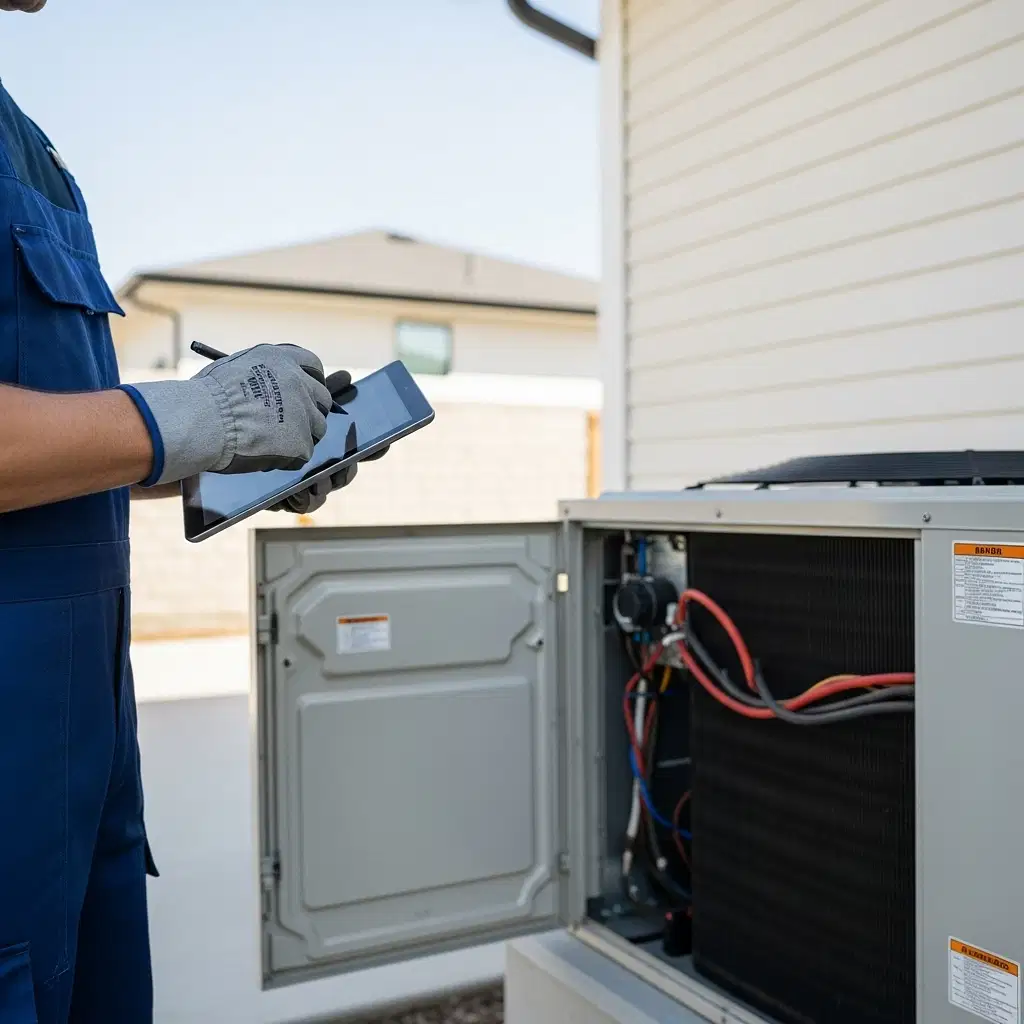
While dust is usually innocent, other types of odors require immediate action. If you detect an odor that smells like melting plastic, burning rubber, or a sharp, ozone-like electrical scent, you should not wait to see if it goes away.
Troubleshooting an electrical burning smell from HVAC vents starts with prioritizing your safety. If you smell melting plastic or burning wires, immediately turn off your heating system at the thermostat. If the smell is particularly strong, you may also want to flip the breaker to your HVAC unit to cut the power supply completely.
An electrical smell often indicates that a component within the system is overheating or failing. This could be a seized blower motor, a worn-out fan belt (which produces a distinct burning rubber smell), or frayed electrical wiring that is short-circuiting. With the rise of advanced smart home integration and complex internal diagnostics in modern HVAC systems, these electrical issues require specialized diagnostic tools to locate and repair safely.
A melting plastic smell can sometimes occur if a foreign object, like a child's toy or a piece of packaging material, has somehow fallen into a floor register and is sitting directly on the heating elements. You can carefully remove your vent covers and shine a flashlight down into the duct to see if anything is visibly blocking the airflow. If the vents are clear and the smell remains, it is time to call in the experts. Attempting to repair electrical components yourself is highly dangerous and can void your equipment's warranty. For these complex issues, rely on our professional HVAC Repairs to safely diagnose and resolve the problem.
Preventing Odors and Protecting Your Indoor Air Quality
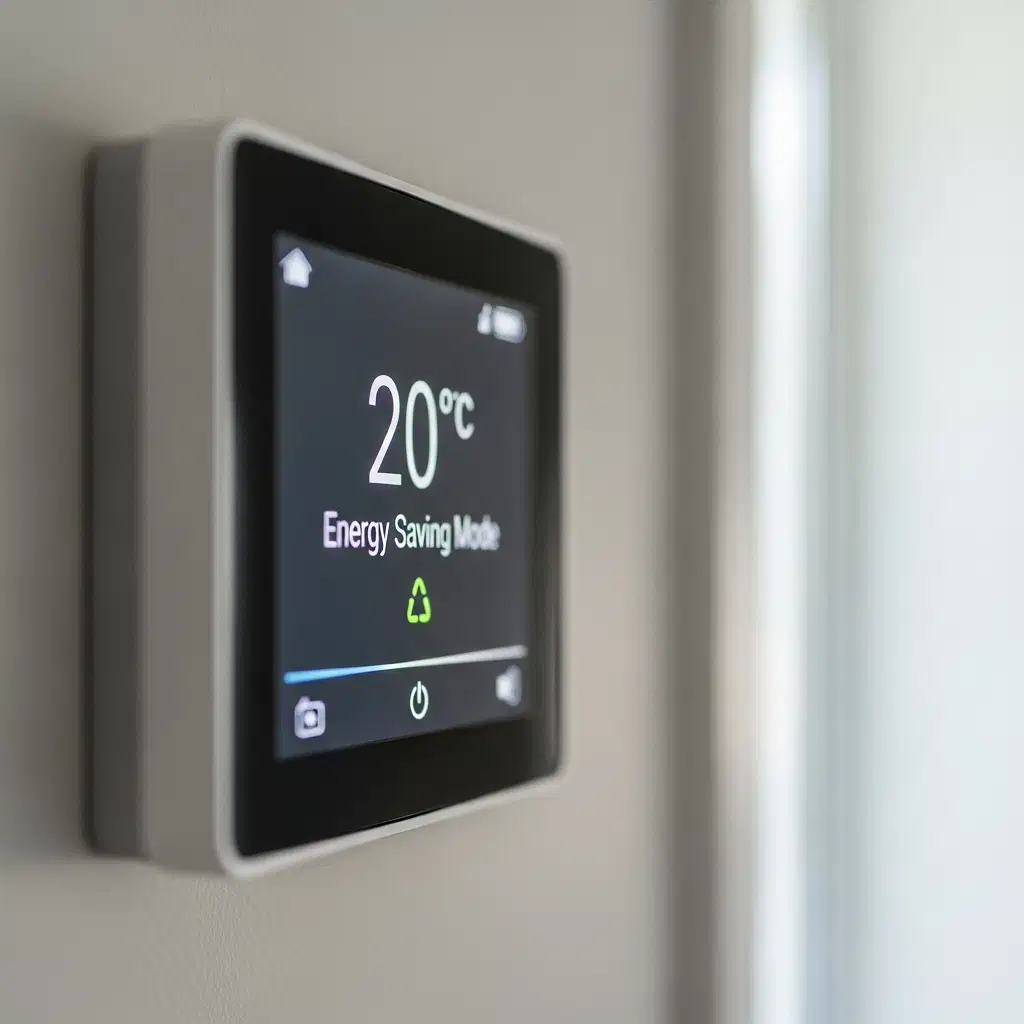
The best way to avoid surprise odors and ensure your system runs efficiently all winter is through proactive care. Preventative maintenance is crucial. Having a certified, bonded, and insured technician inspect your unit in the fall means potential issues—like failing motors or frayed wires—are caught before you ever need to rely on the heat. They will also clean the burners and heat exchanger, eliminating that initial burning dust smell before it ever reaches your living space.
Beyond basic maintenance, consider how your system manages your home's overall indoor air quality. If your family struggles with allergies or you find your home gets excessively dusty, you might benefit from an upgrade to your Ventilation strategy. Modern solutions, such as installing a whole-home HEPA filtration system or a GPS air purification system, can dramatically reduce the amount of dust, pollen, and allergens circulating through your home. Not only do these technologies keep your air fresh and clean, but they also keep your HVAC components cleaner, extending the lifespan of your equipment and ensuring your system operates at peak energy efficiency.
We know how important it is to keep your home safe and comfortable as the temperatures drop. If y'all are dealing with a strange smell coming from your vents, or if you simply want to schedule a tune-up to ensure everything is in perfect working order, we are here to help. Contact Town Creek Heating & Cooling today for reliable, professional service right here in the Cleveland area, and let us ensure your home stays cozy all winter long.