
Should I Upgrade My Ductwork When Replacing My HVAC Unit?
If you have recently found yourself asking why your AC is blowing warm air in the middle of a hot summer afternoon, you are likely starting to weigh your options for a system upgrade. Investing in new heating and cooling equipment is a significant milestone for any homeowner. However, many people focus entirely on the shiny new air conditioner or heat pump sitting outside, completely overlooking the hidden network of tubes that makes it all work.
Here at Town Creek Heating & Cooling, serving our neighbors in Cleveland, GA and the surrounding areas, we frequently field questions from homeowners who are surprised to learn that their home's airflow network might need an overhaul, too. A common question we hear is: should I replace ductwork when replacing my HVAC unit?
The short answer is that it heavily depends on the age, condition, and size of your existing system. However, integrating new ductwork during HVAC replacements is often the secret to unlocking the true efficiency, comfort, and longevity of your new equipment. Let us explore why evaluating your home's hidden highway is just as critical as choosing the right furnace or AC unit.
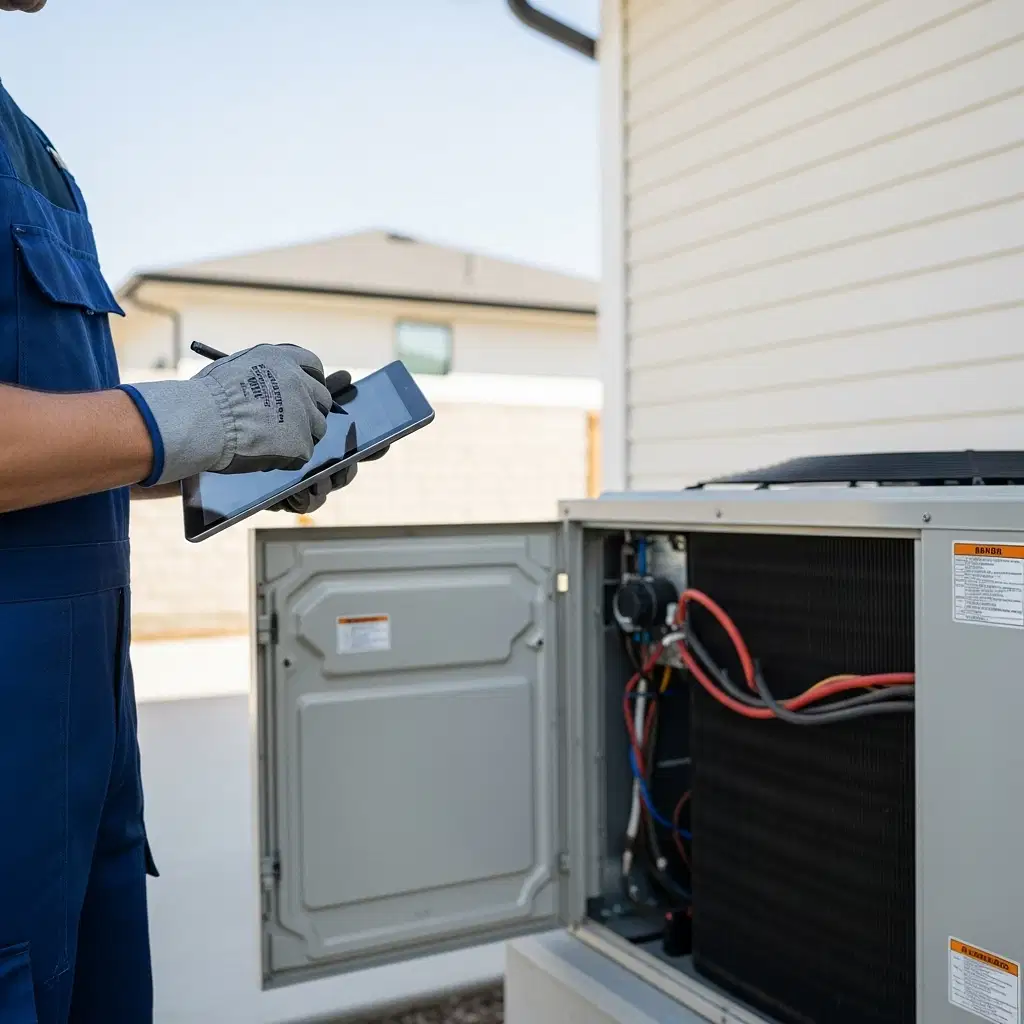
The Hidden Foundation of Your Home's Comfort
To understand why your air ducts are so critical, it helps to think of your HVAC system like a brand-new car. If you drop a state-of-the-art, high-efficiency engine into a rusty chassis with flat tires, you are not going to get the performance you paid for. The same principle applies to your home comfort system.
Many homeowners ask us how long a typical HVAC system lasts. Generally, the units themselves will last around 10 to 15 years with proper maintenance. Your air ducts, on the other hand, might have been installed when the house was first built decades ago. Over time, these pathways can degrade, develop leaks, or become crushed. If you install a modern, highly efficient system but attach it to a failing network of air ducts, you will lose a massive percentage of your conditioned air to the attic or crawlspace before it ever reaches your living room.
Furthermore, the heating and cooling industry is undergoing rapid technological changes. With the phase-down of older refrigerants like R-410A and the shift toward new eco-friendly alternatives under EPA regulations, modern equipment operates differently than the units built twenty years ago. Today's variable-speed blowers and high-efficiency heat pumps require precise, unrestricted airflow to function correctly. By replacing air ducts during a heating and cooling upgrade, you ensure that your new investment can operate exactly as the manufacturer intended, keeping your energy bills low and your indoor climate perfectly balanced.
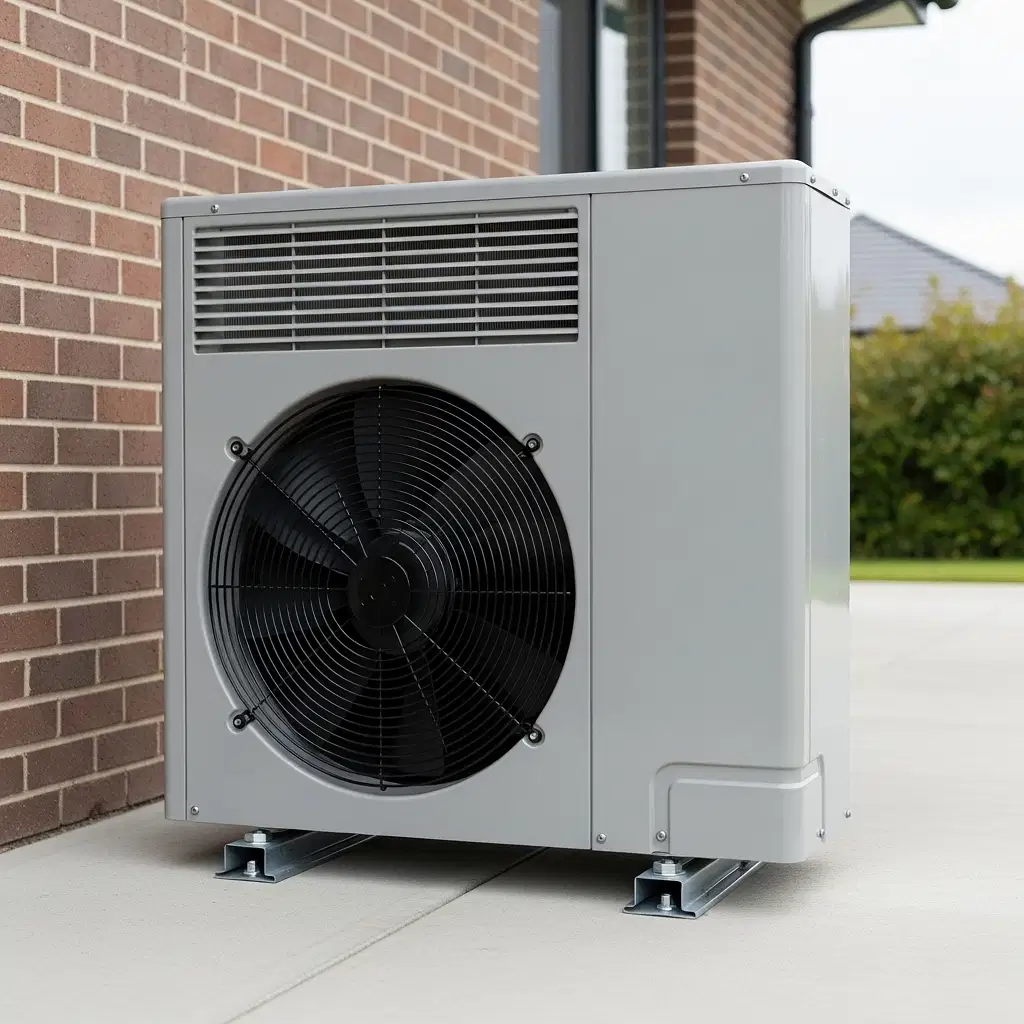
Signs Your Old Ductwork Cannot Support a New HVAC System
How do you know if your current setup is up to the task? There are several clear indicators that your home's airflow network might be struggling. One of the most common signs is experiencing wildly uneven temperatures throughout your house. If your master bedroom is freezing while the kitchen feels like a sauna, your ducts are likely failing to distribute air evenly.
Another critical factor is sizing. We spend a lot of time educating our customers on how undersized ductwork damages new HVAC equipment. Older systems were often paired with smaller ducts that matched the lower airflow requirements of the time. Modern high-efficiency systems push a larger volume of air to maintain strict climate control. If you force that high volume of air through narrow, undersized ducts, it creates massive static pressure. This pressure puts immense strain on the new blower motor, leading to excessive noise, frequent breakdowns, and a drastically shortened lifespan for your brand-new unit.
You should also look out for excessive dust or poor indoor air quality. If you find yourself constantly dusting your furniture or battling allergies indoors, your ducts might be pulling in untreated air—along with that famous Georgia red clay dust—from your attic or crawlspace. Today's consumers are highly focused on advanced indoor air quality solutions. Upgrading your ducts provides a pristine, sealed environment, which pairs perfectly with modern HEPA filtration and G.P.S Air Purification systems to keep your family breathing easy.
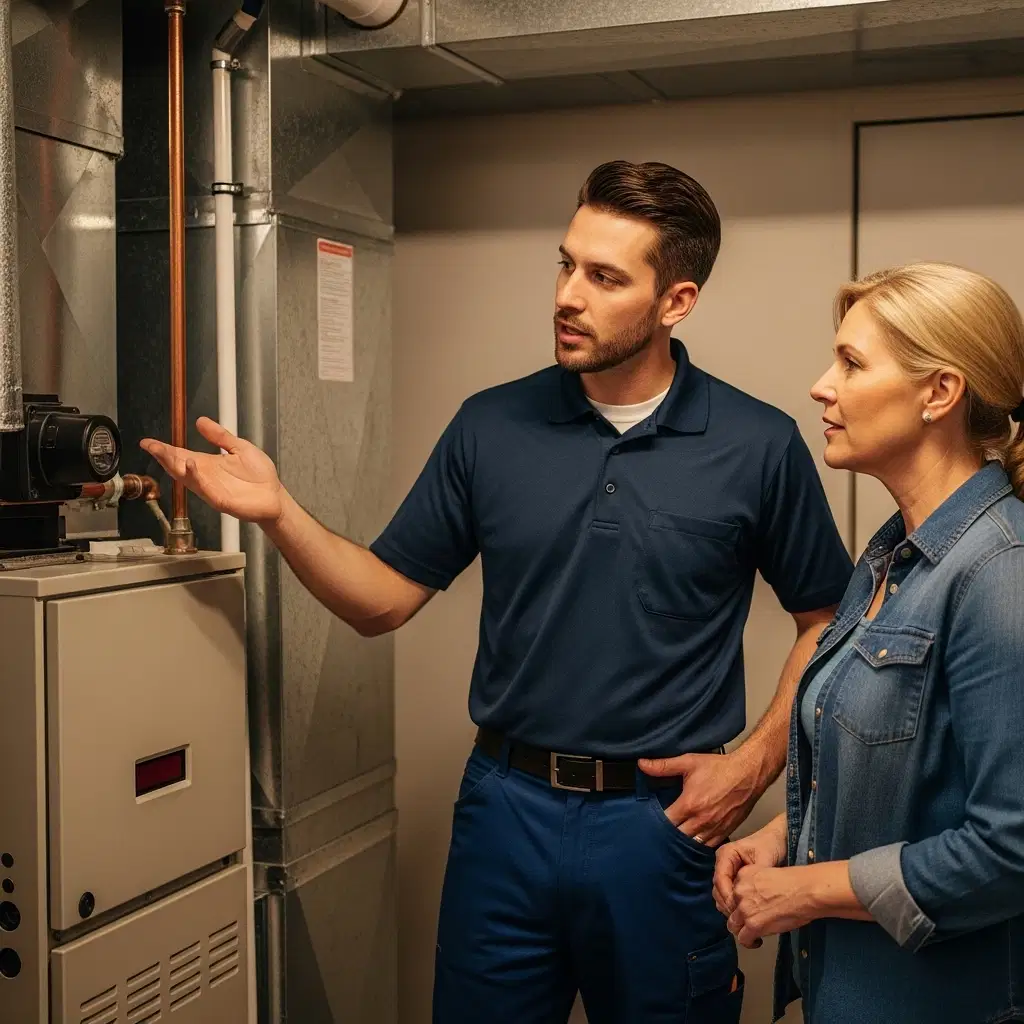
The Financial Picture: Balancing Cost and Long-Term Value
When homeowners start gathering HVAC quotes, one of the first questions on their minds is how much a new HVAC system costs to install. It is a completely valid concern, as these are significant investments. At first glance, adding the cost of new ducts to your estimate might seem overwhelming. However, looking at the long-term financial picture reveals a different story.
Leaky or poorly insulated ducts can waste up to 30% of the energy used to heat and cool your home. That means a significant portion of your monthly utility bill is literally drifting away into your attic. When you invest in a highly efficient system to lower your heating and cooling bills, connecting it to compromised ducts completely negates those monthly savings.
Additionally, there are fantastic financial incentives available right now. With the push toward building electrification and sustainability, programs like the Inflation Reduction Act offer substantial federal tax credits and rebates for installing energy-efficient systems like modern heat pumps. Maximizing these rebates often requires the entire system to meet strict efficiency standards. When we provide affordable HVAC options and transparent pricing, we always evaluate the whole picture to ensure you are getting the best possible return on your investment, backed by clear warranties on both parts and labor.
Let's Get Your Air Flowing Right
Upgrading your home comfort system is about more than just swapping out a metal box in your yard; it is about taking a comprehensive approach to your home's indoor environment. From ensuring proper sizing to securing your indoor air quality against seasonal allergens, your ductwork plays a starring role in your everyday comfort.
If y'all are fixin' to remodel, upgrade, or simply want to know if your current setup is ready for the future, we are here to help. At Town Creek Heating & Cooling, we pride ourselves on delivering honest, personalized service to homeowners from the North Georgia mountains all the way down into the OTP suburbs.
Ready to maximize your home's comfort and efficiency? Explore our comprehensive Heating and Cooling services, or reach out to our team today for a thorough assessment of your entire system. We will make sure your new investment delivers the reliable, high-quality performance you and your family deserve.