
Maximizing Federal Tax Credits for HVAC Upgrades
As homeowners in Cumming know all too well, keeping a house comfortable year-round is a top priority, but it can also be a significant investment. With rising equipment costs and the general cost of living squeezing household budgets, finding ways to save on essential home improvements has never been more important. If your air conditioner or furnace is struggling to keep up, or if you are simply tired of high utility bills, there is good news on the horizon. Recent legislative changes have introduced substantial financial incentives for upgrading to energy-efficient climate control systems.
The Inflation Reduction Act has rolled out a series of benefits designed to help homeowners offset the initial costs of modernizing their home comfort systems. By taking advantage of these programs, you can significantly reduce your out-of-pocket expenses while investing in technology that will lower your monthly energy bills for years to come. Whether you are preparing for the inevitable arrival of The Dog Days of summer or looking ahead to the winter chill, understanding how to navigate these financial incentives can make a premium system highly affordable. In this guide, we will explore how you can maximize these benefits and make the most cost-effective decisions for your home.
Understanding the Energy Efficient Home Improvement Credit
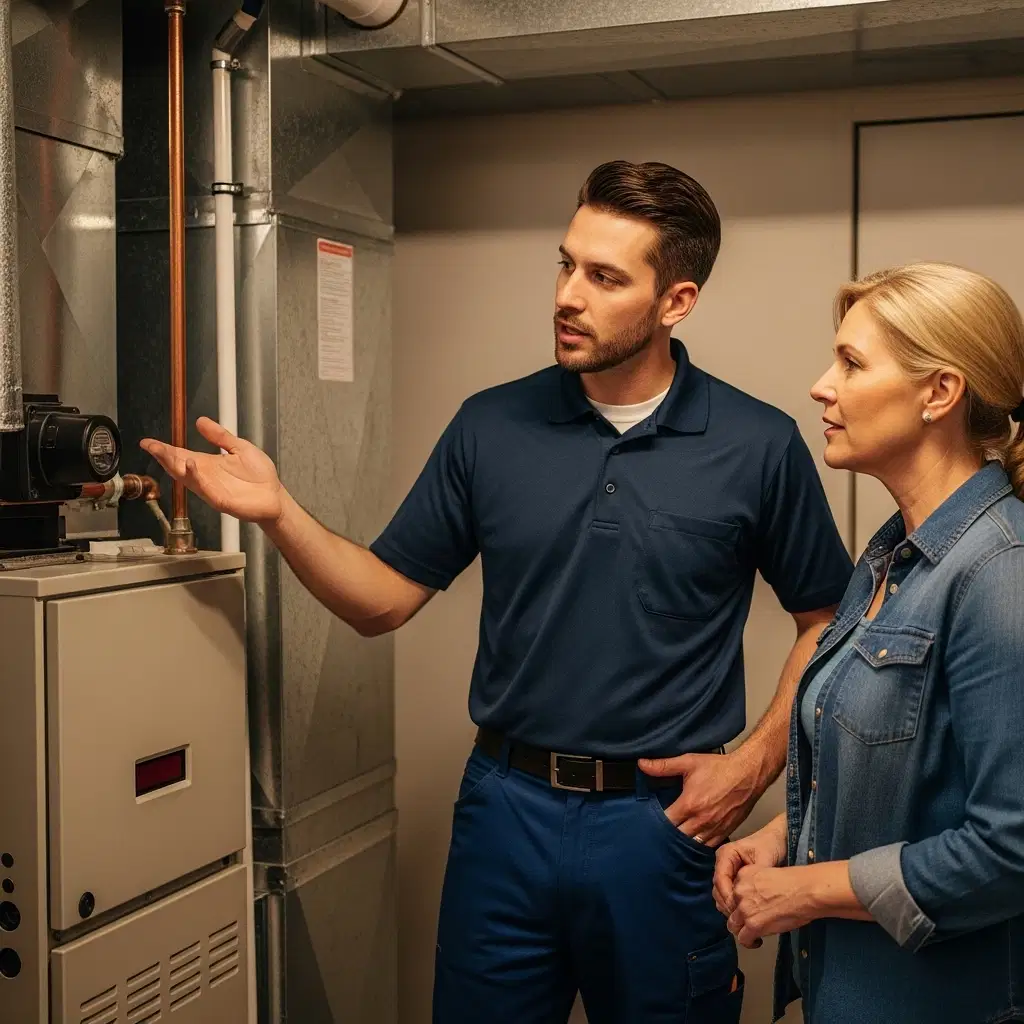
At the heart of these new savings opportunities is the Energy Efficient Home Improvement Credit, often referred to as Section 25C. This provision allows homeowners to claim a tax credit for a percentage of the cost of installing qualifying energy-efficient equipment. Unlike a deduction, which merely reduces your taxable income, a tax credit directly reduces the amount of tax you owe dollar-for-dollar, making it a highly valuable financial tool.
For traditional air conditioning systems and furnaces, homeowners can typically claim a credit of up to $600, provided the equipment meets specific high-efficiency standards. This is where understanding the latest SEER2 rating AC units becomes crucial. SEER2, which stands for Seasonal Energy Efficiency Ratio 2, is the updated standard for measuring how efficiently an air conditioner operates. Systems with higher SEER2 ratings consume less electricity to produce the same amount of cooling, which is exactly what the federal government is incentivizing.
When you are considering HVAC replacements, it is essential to work with a contractor who understands these strict efficiency requirements. Installing a system that falls just short of the qualifying SEER2 rating means missing out on hundreds of dollars in tax credits. Furthermore, the industry is currently undergoing a major transition with the R-410A phase-out, moving toward newer, more environmentally friendly refrigerants. Upgrading your system now ensures you are adopting the latest technology that complies with both current efficiency standards and future environmental regulations, protecting your investment for the long haul.
Why Heat Pumps Offer the Biggest Financial Rewards
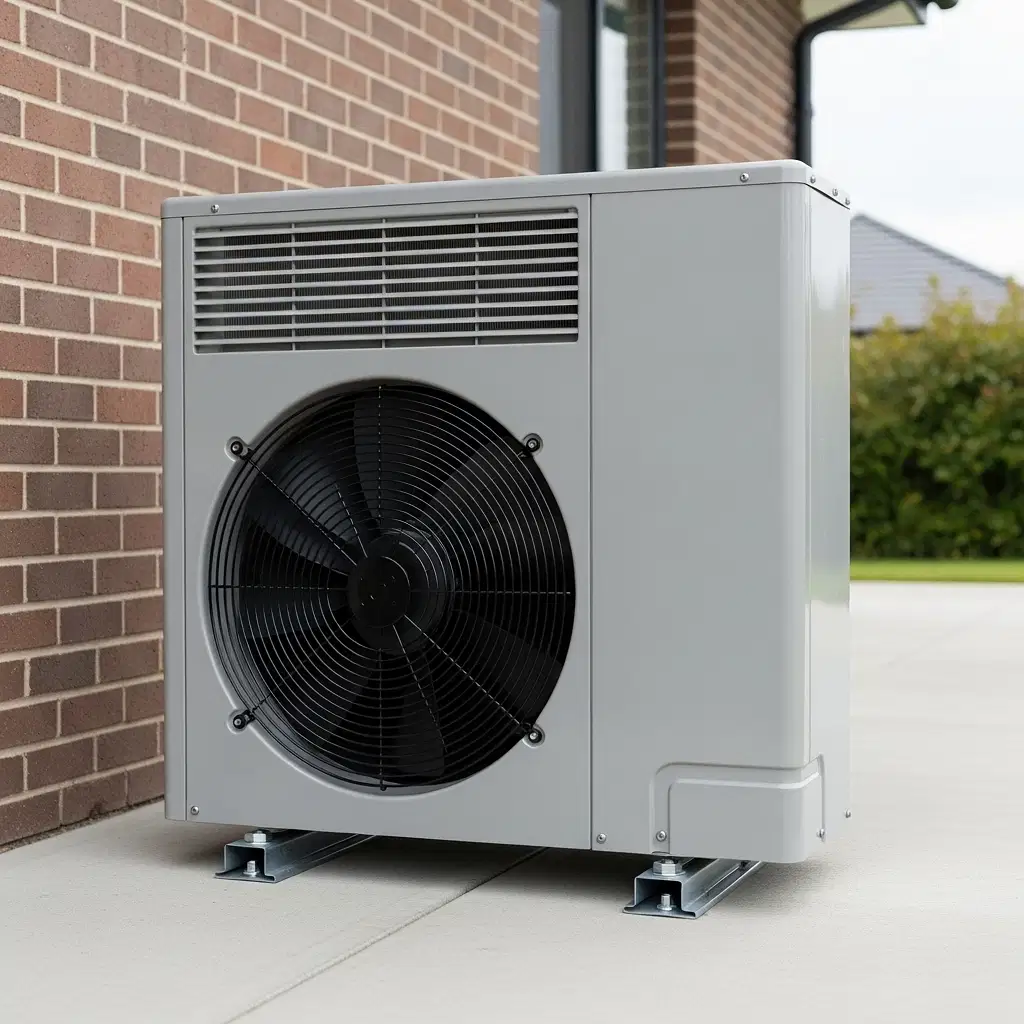
While traditional air conditioners and furnaces certainly qualify for respectable tax credits, the most substantial financial incentives are reserved for heat pump technology. Under the current federal guidelines, homeowners can claim a tax credit of up to $2,000 for the installation of a qualifying high-efficiency heat pump. This massive incentive is driving many homeowners to reconsider how they heat and cool their properties.
If you find yourself weighing a heat pump vs furnace Georgia climate considerations make the decision much easier. Heat pumps are incredibly efficient because they transfer heat rather than generating it. During the summer, they pull heat out of your home just like a standard air conditioner. During the winter, they reverse the process, extracting ambient heat from the outside air and moving it indoors. Because our local winters are relatively mild compared to northern states, heat pumps can operate at peak efficiency nearly year-round, providing exceptional comfort without the high energy consumption of traditional gas or electric furnaces.
Beyond the impressive tax credits, heat pumps are also excellent at managing our notorious Red Clay Humidity. Advanced variable-speed heat pumps run for longer, slower cycles, which allows them to pull significantly more moisture out of the indoor air. This results in a cooler, more comfortable home environment even when the thermostat is set a few degrees higher. For comprehensive heating and cooling solutions, transitioning to a heat pump is often the smartest financial and practical choice for local homeowners.
Navigating Rebates and Claiming Your Credits
Understanding the available incentives is only the first step; knowing how to claim federal tax credits for AC replacement or heat pump installation is where the actual savings are realized. The process requires a bit of documentation, but it is entirely manageable. When your new system is installed, your contractor should provide you with a Manufacturer's Certification Statement. This document proves that your specific equipment meets the energy efficiency requirements outlined by the IRS. You will need to keep this document with your tax records and fill out IRS Form 5695 when you file your annual tax return.
It is also important to look beyond federal incentives. Depending on your specific utility provider, there may be additional local rebates for high efficiency HVAC systems in Forsyth County and the surrounding areas. Many electric cooperatives and municipal utility companies offer instant rebates or statement credits when you upgrade to energy-saving equipment or install smart thermostats. These local rebates can often be stacked on top of the federal tax credits, significantly lowering your total upfront costs.
Because navigating these various programs can feel overwhelming, partnering with an experienced local contractor is vital. A knowledgeable team will not only help you select the right equipment but will also ensure you have all the necessary paperwork to claim every dollar you are owed. When planning for HVAC new installations, always ask your technician about the latest available rebates and tax credits before making a final decision.
Invest in Your Comfort and Your Wallet
Upgrading your home comfort system is a major decision, but it doesn't have to be a financial burden. By leveraging the Energy Efficient Home Improvement Credit and local utility rebates, you can offset the impact of rising equipment costs and invest in a system that delivers superior comfort and lower monthly bills. Whether you are looking to escape the summer heat or prepare for the winter months, modern, high-efficiency equipment offers an incredible return on investment.
At Town Creek Heating & Cooling, we are dedicated to helping our neighbors across FoCo and the Lake Lanier area find the perfect balance of comfort, efficiency, and affordability. Our team of certified professionals is here to guide you through every step of the process, from selecting the ideal SEER2-rated system to ensuring you have the documentation needed for your tax returns. If you are ready to stop overpaying for utilities and want to get an AC replacement quote, reach out to us today. Visit our contact us page to schedule a consultation and discover how much you could save on a new, energy-efficient system.