
Breathe Easier This Spring: A Homeowner's Guide to Managing Georgia's Pollen Season
Every spring in Georgia, it arrives like clockwork: a fine yellow-green dust that blankets our cars, porches, and everything in between. While the blooming trees are a beautiful sight, the annual pollen season can be a challenging time for many of us, bringing on sneezing, itchy eyes, and general discomfort. You might think you’re safe once you step inside, but pollen is a sneaky intruder. It hitches a ride on our clothes, our pets, and flows right in through open doors and windows. For homeowners in the Cumming area, managing indoor air quality becomes a top priority. The good news is that your home's HVAC system is your most powerful ally in this fight. This guide will walk you through how to leverage your heating and cooling system to create a clean-air sanctuary for your family.
How Pollen Invades Your Home's Air
Understanding how allergens get inside is the first step to controlling them. Pollen particles are incredibly small and lightweight, allowing them to travel far and wide. They easily enter your home every time a door or window is opened. But the less obvious culprit is your own HVAC system. As it circulates air to keep you comfortable, it can inadvertently spread those trapped pollen particles to every room in your house. If your system isn't equipped to capture these microscopic invaders, you're essentially just moving them around, not removing them. This is why simply shutting the windows isn't always enough to find relief. To truly improve your indoor air, you need to focus on capturing and eliminating allergens at the source.
Your First Line of Defense: The Air Filter
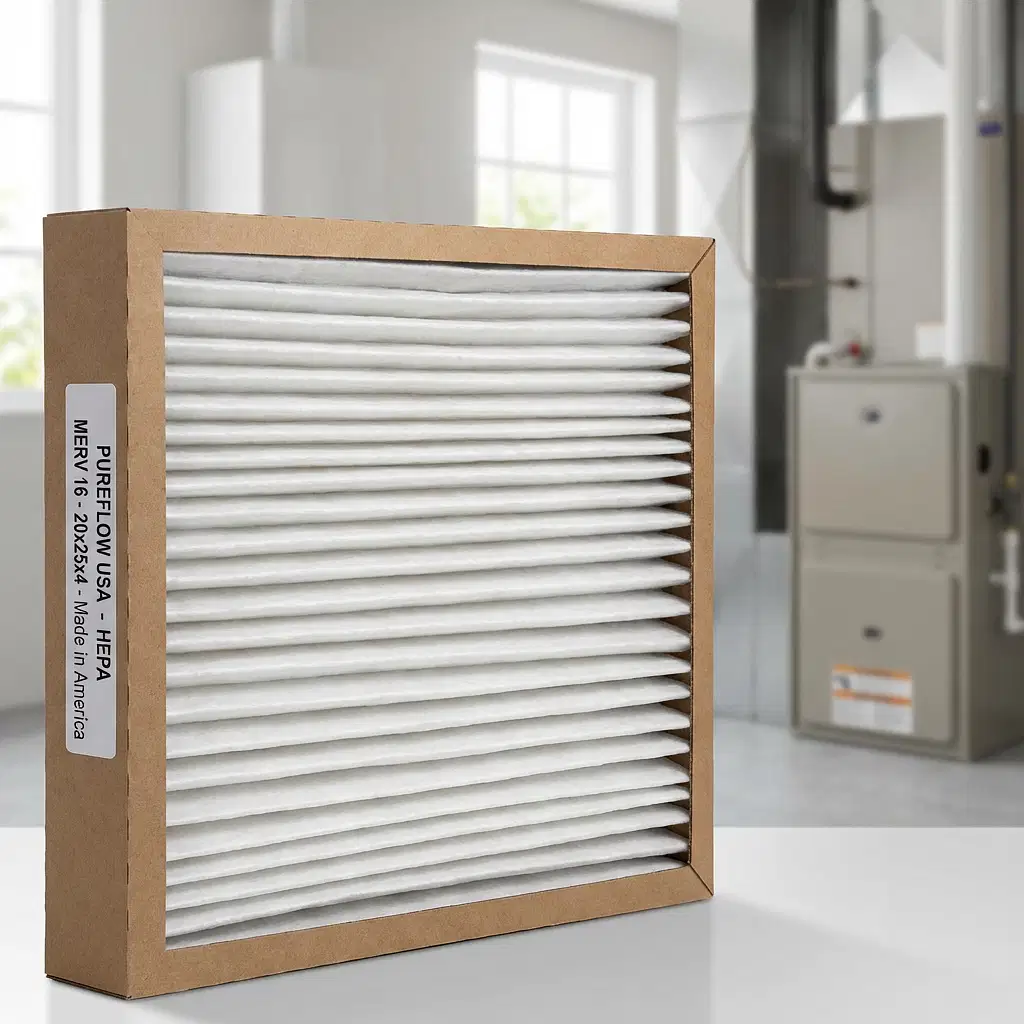
Your HVAC system's air filter is the gatekeeper for your home's air. Its primary job is to trap airborne particles like dust, pet dander, and—you guessed it—pollen before they can circulate through your home. However, not all filters are created equal.
To effectively combat pollen, consider these two factors:
-
Filter Efficiency (MERV Rating): Filters are rated on the Minimum Efficiency Reporting Value (MERV) scale, from 1 to 20. A higher MERV rating means the filter can capture smaller particles. For most homes, a filter with a MERV rating between 8 and 13 offers a great balance of allergen filtration and sufficient airflow for the system to run efficiently. Anything lower won't be very effective against pollen, and anything much higher can restrict airflow and strain your system if it's not designed for it.
-
Replacement Frequency: One of the most common questions we hear is, "How often should I change my air filter?" While every 90 days is a good rule of thumb, during the heavy pollen season in Georgia, you may need to change it as often as every 30-45 days. A clogged filter not only stops trapping allergens but can also lead to costly HVAC repairs by forcing your system to work harder.
Checking your filter regularly is a simple, effective step toward cleaner indoor air.
Beyond the Filter: Advanced Air Purification Technology
For families with significant allergies or asthma, a high-quality filter might not be enough to provide complete relief. This is where modern technology offers powerful solutions that integrate directly with your HVAC system. These systems go beyond passive filtration to actively neutralize airborne contaminants.
One of the most effective technologies we recommend is a G.P.S. Air Purification system. Instead of just trapping particles, these purifiers use a patented needlepoint bipolar ionization process. Here’s how it works in simple terms:
- The purifier releases charged ions into the airstream.
- These ions attach to particles like pollen, dust, and dander.
- This causes the particles to clump together, making them much larger.
- These larger, heavier clumps are now easily captured by your existing air filter.
The ions also work to neutralize pathogens, break down odors, and reduce volatile organic compounds (VOCs), resulting in air that is not just filtered, but actively purified. It’s a proactive approach to creating a healthier living environment.
The Hidden Highway: Why Ductwork and Ventilation Matter
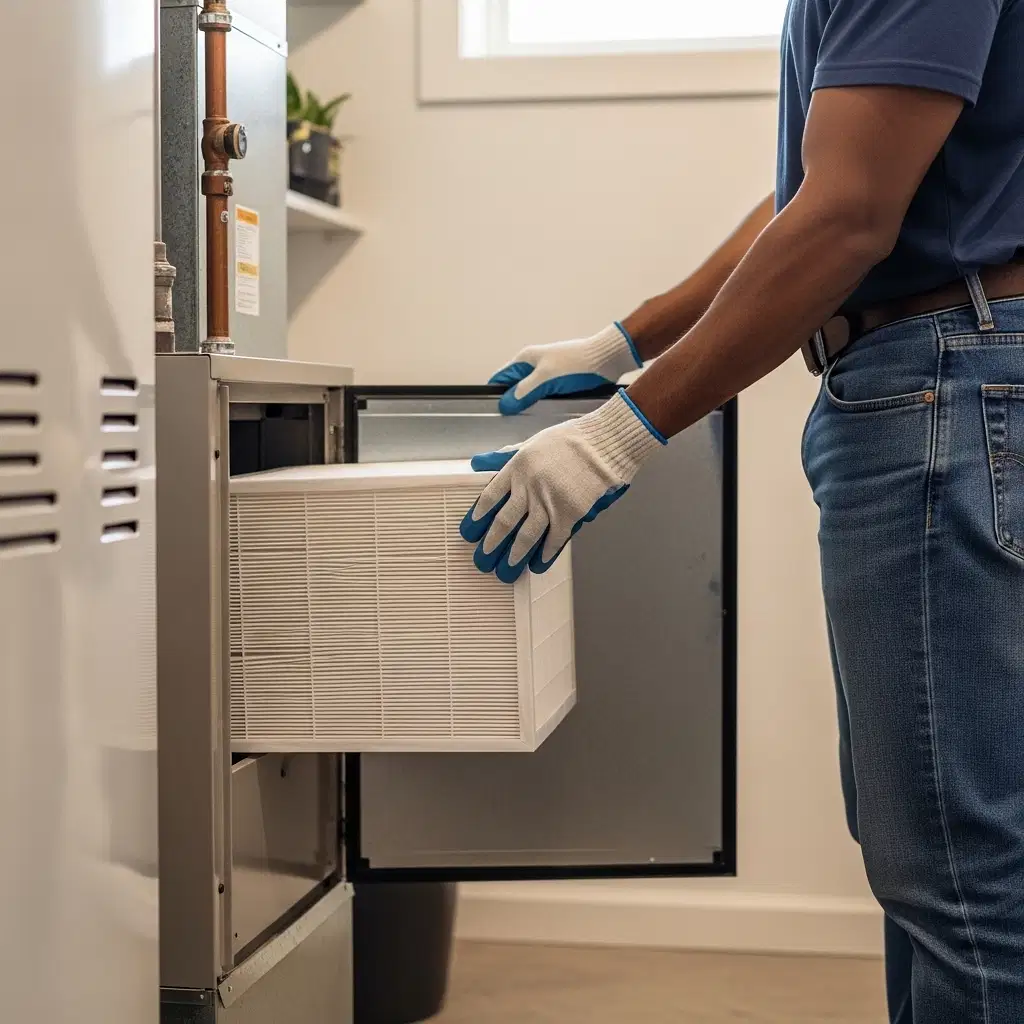
Your home's ductwork is the circulatory system for your conditioned air. If these hidden pathways are dirty or compromised, they can become a source of indoor air pollution themselves. Over the years, dust, debris, and allergens can accumulate inside your ducts. Every time your system kicks on, it can dislodge these particles and blow them directly into your living spaces.
Furthermore, small leaks or cracks in the ductwork, often found in attics or crawlspaces, can pull in unfiltered, pollen-laden air from outside and distribute it throughout your home. A professional ductwork inspection can identify these issues. Sealing leaks and ensuring the system is clean means that the air leaving your HVAC unit is the same clean air that reaches you.
Proper ventilation is also key. A well-designed system helps exhaust stale, polluted indoor air and bring in fresh, filtered outdoor air, preventing allergens from becoming trapped and concentrated inside your home.
Take Control of Your Home's Air Quality
Georgia's pollen season doesn't have to mean weeks of discomfort inside your own home. By taking a comprehensive approach—using the right air filters, considering advanced air purification, and ensuring your ductwork is clean and sealed—you can create a haven for your family to breathe easy.
Don't let allergens get the best of y'all this spring. If you're ready to improve your home's indoor air quality in the Cumming area, the expert team at Town Creek Heating & Cooling is here to help. Contact us today to discuss our advanced air purification systems, ductwork services, and other solutions to keep your home comfortable and healthy year-round.